
重庆森林
Chinese scientists develop ‘brain-reading’ AI model to help predict depression risk, may inspire future emotional-perception humanoids_我的网站

一 | 杭州日报讯 填不完的表格、开不完的会议、迎不完的检查,让许多村干部疲于应付,走村入户、服务群众的时间反而被一再挤压。

二 |
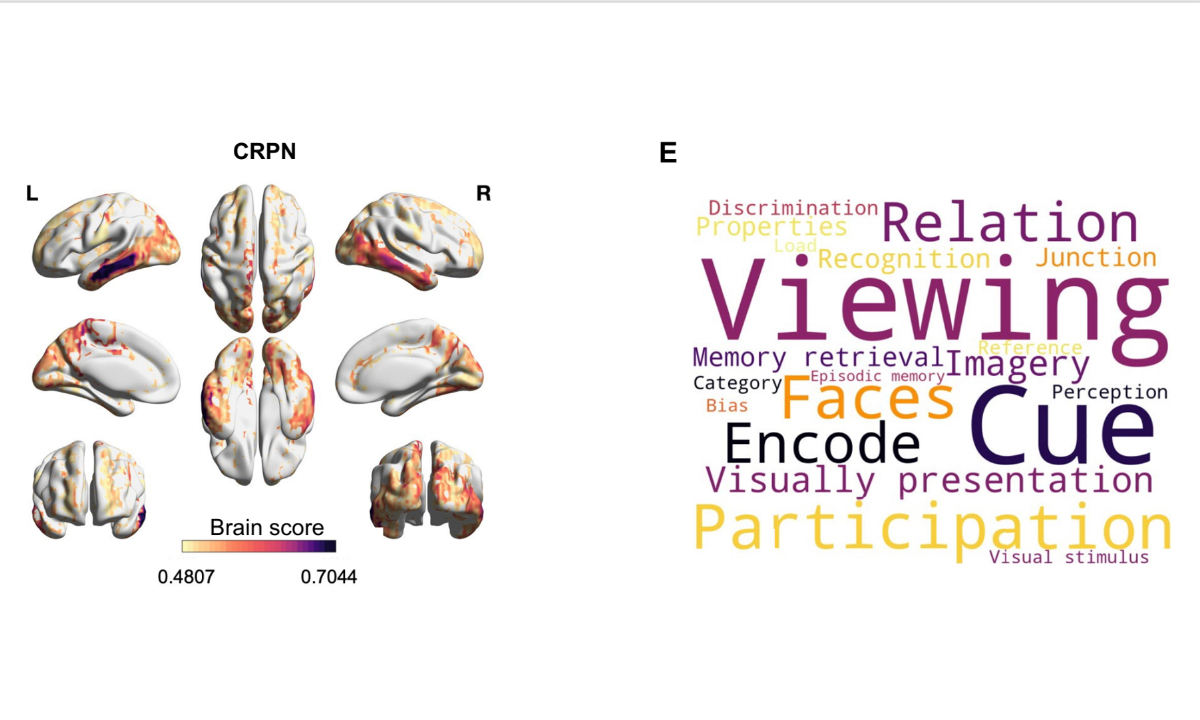
Chinese scientists have developed a “brain-reading” AI model that could help predict the risk of depression among adolescents up to four years in advance by analyzing how humans respond to facial expressions, a technology expected to inspire future development of embodied intelligent humanoids capable of perceiving human emotion and thoughts through nuanced facial cues.
WHO data show that around 332 million people worldwide have depression, about one-third of whom have treatment-resistant forms of the condition. In China, an estimated 95 million people suffer from depression, National Business Daily reported, citing statistics from the China Mental Health Survey.
Using data from a population-based longitudinal adolescent cohort recruited across several European countries, the research team led by Lu Han, assistant professor at the School of Artificial Intelligence, Shenzhen University, has built an AI model that predicted which 19-year-olds were more likely to develop depression at the age of 23. The predictions were backed up by an independent clinical cohort of individuals with depression. The team’s paper was published in the journal Science Advances this month.
According to Lu, the study used brain scans taken at age 19 to predict depression-related symptoms at age 23. The study focuses on adolescence because the transition from adolescence to early adulthood is a key developmental period when depressive symptoms can increase rapidly. The earlier risks are identified, the greater the opportunity for prevention, Lu told the Global Times on Monday, adding that the findings need to be further validated in middle-aged and older adults and across different ethnic groups in future research.
In this study, the researchers analyzed data from adolescents in the IMAGEN, a population-based longitudinal cohort recruited across several European countries. At age 19, participants underwent an fMRI emotional-face task, and their emotional symptoms were assessed using standardized questionnaires. Genetic data obtained from blood samples were also analyzed, and participants were followed up at age 23. The researchers examined whether neural representations of angry faces at age 19 were associated with emotional symptoms and could predict elevated emotional symptoms four years later.
According to Lu, people without depression can more easily distinguish emotional changes based on others’ facial expressions and respond accordingly – for example, responding with friendliness to a smiling expression. But people with depression cannot do this, and are more likely to assume people are angry with them.
A brain-aligned deep-learning model developed by Lu’s team suggested that those participants whose brains were less able to distinguish between different facial emotions and tended to perceive others as angry were more likely to develop symptoms of depression and anxiety in adulthood.
The hypothesis that adolescents at risk of depression may respond differently to other people’s facial expressions than those without such risk based on the negative information processing bias long observed in depression research: people at risk of depression are more likely to notice, interpret, or remember negative social information, Lu said.
The researchers focused on angry facial expressions because they signal social threat and rejection, which are closely linked to interpersonal difficulties and negativity bias associated with depression. They hope to further understand how this bias develops within the visual system.
Building on this, they created a deep learning model, which mimics how the brain processes visual information, to predict how the brain encodes abstract emotional concepts such as anger.
They found that 19-year-olds whose response to facial expressions was skewed in favour of negative emotions or memories were the most likely to develop some form of depression.
Based on these findings, Lu’s team then developed a marker that can identify possible warning signs.
According to Lu, the study found that the computational biomarker was linked to the depression-related variant rs11123030 and polygenic risk for depression, suggesting that genetic susceptibility may affect emotional perception. It also provided predictive information beyond family stress and socioeconomic factors, complementing rather than replacing environmental risk factors. Therefore, depression is neither purely genetic nor purely psychological, but a complex mental disorder arising from the interplay of genetic susceptibility, brain development, emotional and cognitive processes, and life experiences.
According to Lu, the study is also expected to advance AI by aligning deep neural networks with human brain activity and using parameter perturbations to probe neural mechanisms, allowing models to both predict and explain how biases may arise.
The findings suggest that future affective computing and embodied AI should go beyond simply labeling facial expressions, incorporating visual details while preventing prior assumptions from overriding real-time sensory input, Lu said, adding that the findings could provide valuable insights for developing more interpretable robotic perception systems that more closely emulate the way humans process emotions.
。让村干部从“文山会海”中解放出来,是基层治理必须答好的考卷。

三 | 以清单明确边界,把好事项准入关。负担沉重,根源在于权责不清。要全面梳理依法履职和协助办理事项,列明“该干什么、不该干什么”,形成权责清晰的履职清单。

四 | 清单之外事项一律实行准入审批,坚持“权随责走、费随事转”。厘清权责,是让村干部干该干的事。以精简卸下包袱,告别“指尖形式主义”。要敢于对冗余App和工作群“动刀子”,能合则合、该取消则取消。

五 | 从“重留痕”转向“重实效”,纠正“打卡式”考核。推行数据共享,实现“一次采集、多方共享”。萧山区近年来持续推进减负工作,着力把村干部从“指尖”上解脱出来,让他们把双脚踏进泥土里。以下沉回归本业,用实干回应民需。减负的目的是让村干部有更多精力办实事。要建立以解决实际问题、群众满意为导向的考核机制,不以材料论英雄,而以口碑作标尺。推动常态化入户走访,变“群众找上门”为“干部送上门”,腾出的时间用来倾听难处、关爱老人、谋划发展。当村干部从“填表员”“会议员”回归“服务员”,基层治理才能真正做到“民有所呼、我有所应”。厘清权责、治理指尖形式主义、推动干部下沉服务,三者同向发力,才能让村干部真正轻装上阵,把减负释放的时间转化为服务实效,让村干部从“案头”走向“地头”,基层治理才能焕发生机与活力。
Current article:http://gwjg.xiadiaosengchengcun.shop/kxprue/9kwu9s.html
Published on:20:14:24
我的网站相关内容
 Flu, RSV starting to circulate but cases remain lower than last year: CDC
 Scientists Reveal How Mosquitoes Are Able to Smell Humans Even Without Antennae
 世体:拉波尔塔与巴萨吉祥物互动,用彩蛋蛋糕送节日祝福
 成都19岁女大学生跨年夜失踪,12天后遗体在河中被发现
 Hi nova 10系列定档10月20日发布 前后摄体验或有强悍升级
 618活动哪天买最合适什么时候买便宜?6月17日20点到6月18日优惠力度最大
- ·一夜三消息:湖人买掉股权彻底易主!快船阴阳合同新结果!火箭签最佳新秀!
- ·趣天网陷财务困境 八成新加坡员工丢饭碗
- ·新学期 “心”相伴:开学心理调适指南
- ·为获“干净数据”,AI公司毁书引争议
- ·三只松鼠股份有限公司
- ·PLA Southern Theater Command spokesperson slams Philippines for co-opting outside countries in so-called ‘joint patrols’ that disrupt regional peace, stability
- ·九部门联合发文:激发下沉市场活力 活跃县域消费
- ·这届“银发跑者”,治好了我的“跑步”焦虑
我的网站最新内容
- ·漳州市政府召开第十五次党组(扩大)会议 第十五次常务会议
- ·Nothing OS 5.0 发布:基于 Android 17 打造,推送计划公布
- ·深圳华强北,成了欧洲人的快乐老家?
- ·终于放心了!《GTA6》泄露视频首次展示加油机制
- ·一颗「脑」装进27000台真机!遍布50国
- ·高新技术产业开发区税务局实地走访问需解忧 精准推送精细服务
- ·男子骚扰女孩、殴打女孩家长 河南新郑市警方:已被采取刑事强制措施
- ·独行侠两高管月初突然离职 均为前GM所聘
- ·哈利波特的魔法:自动行走的国际象棋表演
- ·兰博基尼Fenomeno预告图发布 将于8月圆石滩车展正式亮相
- ·“福泽江淮·彩惠民生”——怀远县福彩销售员走进敬老院
- ·德天空:克洛普已与孔帕尼、小赫内斯、科瓦奇长时间通话
- ·《The Last of Us Online》并非“副项目”,《Intergalactic》大部分团队成员均是在该多人游戏取消后调动而来的。
- ·小米混合3手机终于来到欧洲:不便宜
- ·无名女尸细节披露:穿中国老纺织厂背心,华人社区成破案关键
- ·雄安中关村科技园推行一站式服务,“一人公司”社区聚集创新星火
我的网站热点内容
- ·英俊的炸弹!日产新概念电动汽车IMS:612公里
- ·Anurag Kashyap’s Kennedy Becomes Only Indian Film Selected for Letterboxd’s First-ever Video Store
- ·China's domestically developed C919 jetliner launches first international route
- ·参观家乐亭FF总部:员工们说,一旦资金到位,很多人都愿意回来工作。
- ·成品油期货价格年内大涨,炼化板块九成公司报喜
- ·手机靓号进价5000元能卖5万 高峰每月能卖200个号码
- ·德系猎头百万年薪挖人:中国车企拿出期权绑定核心骨干
- ·老队友!德赫亚祝贺B费获得PFA赛季最佳球员:实至名归
- ·事关燃气燃烧器具及相关产品 95张CCC认证证书被撤销
- ·XBB新冠疫苗下月初上市,哪些人群可以接种?
- ·突破百万美元众筹,LUMISTAR CARRY篮球发球机重新定义“AI队友”
- ·Ohio begins voting on amendment that would guarantee abortion rights
- ·高德“位置口令”上线:说不清位置就发6个数字
- ·霍华德:魔术会战胜凯尔特人晋级 绿军没人对得上班凯罗
- ·美国对华加征关税后,我商务部将采取坚决措施,德国瑞典警告欧盟
- ·小花钱包放款当日扣权益卡钱诉求退还3170元代扣费用